Lime, known for its versatile properties, finds applications in numerous industries. In construction, it serves as a crucial component in building materials like cement and mortar, ensuring the structural integrity of houses and roads. Lime is also essential in the manufacturing of glass and plastic materials, providing strength and durability. Its antiseptic qualities make it a sought-after ingredient in hygiene products, while its aesthetic appeal has led to its use in jewelry. Lime’s chemical properties have also garnered attention in the chemical industry, where it serves as an indispensable reagent in various processes. Moreover, lime is a vital ingredient in food, adding flavor and nutritional value to dishes worldwide.
Lime’s versatility extends to numerous spheres, including:
* Construction: Building materials for houses and roads
* Manufacturing: Raw material for glass, plastics, and hygiene products
* Adornment: Component of jewelry
* Culinary: Ingredient in various foods
* Industrial: Essential in chemical processes
Chemical Formula: CaO
Chemical Name: Calcium oxide
CAS Number: 1305-78-8
Molecular Weight: 56.08 g/mol
Physical Properties:
* White or gray solid
* Highly alkaline
* Caustic to skin and eyes
* Hygroscopic (absorbs moisture easily)
* Density: 3.34 g/cm³
* Melting point: 2,572 °C (4,662 °F)
* Boiling point: 2,850 °C (5,162 °F)
Chemical Properties:
* Reacts violently with water to form calcium hydroxide (slaked lime) and heat
* Reacts with acids to form calcium salts
* Reacts with carbon dioxide to form calcium carbonate
* Decomposes into calcium and oxygen when heated
Uses:
* Construction: As a binder in mortar and cement
* Agriculture: As a soil amendment to reduce acidity
* Water treatment: To remove impurities and soften water
* Papermaking: To manufacture paper
* Glassmaking: To produce glass
* Steelmaking: To remove sulfur impurities
* Food processing: As a preservative and anticaking agent
Environmental Impact:
* Air: Can release dust particles into the air
* Water: Can contaminate water sources if not disposed of properly
* Soil: Can alter soil pH and nutrient availability
Safety Considerations:
* Corrosive: Can cause severe burns to skin and eyes
* Irritant: Can irritate respiratory tract
* Explosive: Can react violently with water
* Dust: Can cause respiratory problems
* Proper handling: Wear protective clothing, gloves, and eye protection. Handle in a well-ventilated area. Dispose of waste properly.
BIOLIM ANIMAL HYGIENE LIME
 For protection and control of:
• Broad range of viruses
• Bacteria
• Parasites (hoof disease)
• Combats bad manure odours
• Insect & vector repellent
• Carcass disposal
• Reduces acidity / pH control farm effluent
• Mould and condensation preven
CLC BUILDING & PLASTER LIME
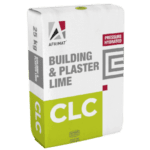 • Great workability
• Superior quality
• Lasting durability
• Cost saving
PREMIER WHITE HYDRATED LIME
 • Used for Water Treatment
• Effluent treatment
• pH Control
• Used in Sugar industry and Chemical industry
ROAD LIME – SABS APPROVED
 • Used for soil stabilisation
• pH Control
• Also used to upgrade poor quality clay soils in order to provide adequate subgrade support
• Primarily used on roads, also used in paving
GLUEX WHITEWASH
 • Environmentally friendly
• Waterproof
• Cost effective
• Natural
AGRICULTURAL LIME
 • Used for pH correction of soil
• Off-white granular powder
FEED LIME – ANIMAL HEALTH ENHANCER
 • Premium Calcium supplement for animals
FILLA
 Used as mineral filler
Used in production of:
• Paint
• Rubber
• Putty
• Plastics
• Adhesives
• Fibreglass
Chemical Safety Tips for Lime
Handling:
* Wear appropriate personal protective equipment (PPE), including gloves, eye protection, and a respirator if necessary.
* Avoid direct contact with lime.
* Keep lime containers tightly closed when not in use.
* Use only in well-ventilated areas.
Storage:
* Store lime in a cool, dry place away from incompatible materials.
* Keep containers labeled and upright.
* Provide adequate ventilation to prevent buildup of dust.
Use:
* Follow manufacturer’s instructions for proper usage.
* Avoid using lime in humid or wet conditions.
* Use only in areas where there is no risk of contact with water.
* Rinse thoroughly after using lime.
Disposal:
* Dispose of lime according to local regulations.
* Do not dispose of lime in waterways or sewers.
* Neutralize lime with water or vinegar before disposal.
First Aid:
* Skin contact: Wash affected area with soap and water. Seek medical attention if irritation persists.
* Eye contact: Flush eyes with clean water for at least 15 minutes. Seek medical attention immediately.
* Inhalation: Move to fresh air and seek medical attention if symptoms develop.
* Ingestion: Do not induce vomiting. Rinse mouth with water and seek medical attention immediately.
Additional Tips:
* Keep an eye wash station and safety shower nearby.
* Train workers on proper handling and safety procedures.
* Monitor work areas for dust levels and take corrective action as needed.
* Avoid using lime on painted surfaces or metal, as it can cause discoloration or corrosion.